
The energy transition is no longer a concept for the future: it is a reality that is transforming entire industries. The year 2025 marks a turning point, when the demand for renewable energy exceeds supply and accelerates investment in cleaner, digital and sustainable technologies. In this scenario, floating wind energy emerges as a key pillar for achieving decarbonisation targets.
What is floating wind power and why is it so important?
Traditional offshore wind turbines are limited to depths of up to 60 metres. This restricts their deployment to shallow coastal areas. Floating wind power breaks this barrier by allowing turbines to be installed in deep waters, unlocking massive energy potential:
58% of the wind resource on the west coast of the US is found in deep waters.
Europe has an estimated potential of 4,000 GW of floating wind energy.
This development makes floating wind power the new frontier for meeting the growing global demand for clean electricity. According to the International Renewable Energy Agency (IRENA), the development of this technology will be decisive in accelerating the energy transition in the coming years.
The connection between floating wind power and sustainable mining
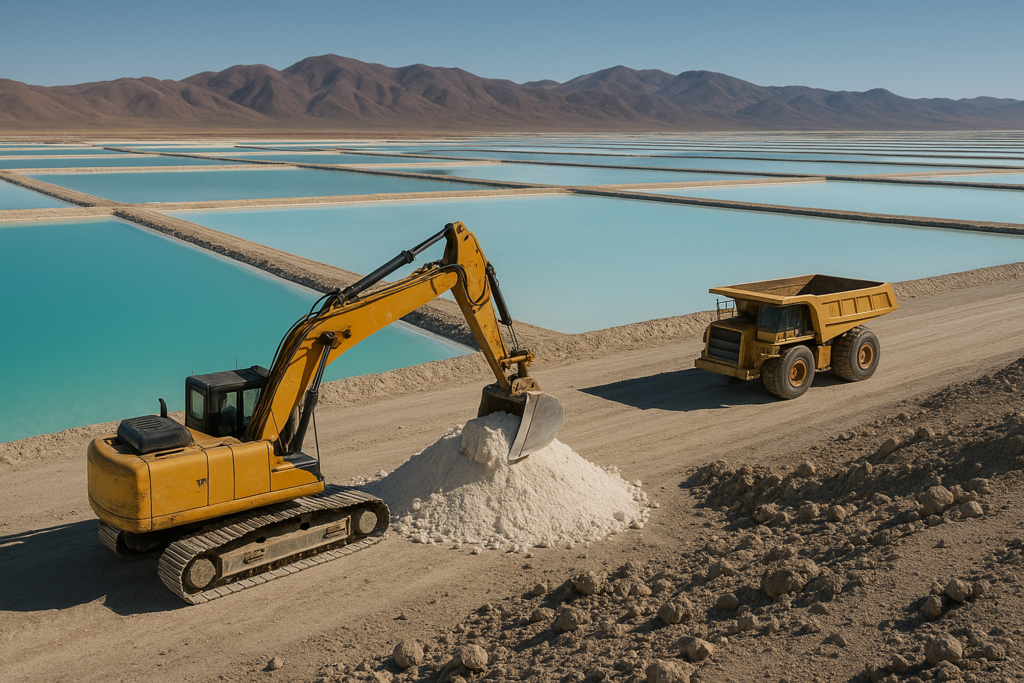
Mass electrification has triggered a surge in demand for critical raw materials such as lithium, which is essential for batteries. However, traditional extraction methods in South American salt flats consume large amounts of water, causing environmental and social impacts.
Innovation is also coming to this area: Direct Lithium Extraction (DLE) reduces water consumption by up to 90% and production costs by 40%. In addition, projects such as CirCular in Spain are promoting the recycling of valuable metals, strengthening the circular economy.
The relationship between the two sectors is clear: renewable energy and sustainable mining are two sides of the same energy transition coin.
Challenges and opportunities towards 2030
The future of floating wind power and the energy transition is promising, although it is not without obstacles. One of the main challenges lies in the legal arena. Many projects are held back by lengthy procedures and regulations that are ill-suited to the speed required by the sector. Cases such as the irregular expropriation of land in Spain or conflicts over lithium mining in Argentina and Chile highlight the need for more robust and transparent regulatory frameworks.
The social aspect is another key point. Acceptance by local communities can determine the success or failure of a project. It is necessary to clearly explain the benefits, minimise impacts and establish fair compensation measures. Only through dialogue and citizen participation will it be possible to move forward without creating tensions.
Coexistence with traditional industries, such as offshore oil and gas, adds complexity but also opens up new opportunities. Although hydrocarbons still carry weight, much of the technical expertise and infrastructure in this sector can be leveraged for the development of floating wind power. This shared transition reduces costs and accelerates the adoption of renewable solutions. By 2030, the key will be collaboration between sectors. If mining commits to sustainable technologies, if the naval sector continues to innovate in platforms and clean propulsion, and if floating wind power continues to expand into deep waters, an integrated industrial ecosystem will be consolidated. Those who manage to bring these advances together will have a clear competitive advantage and a leading role in the new global energy scenario. 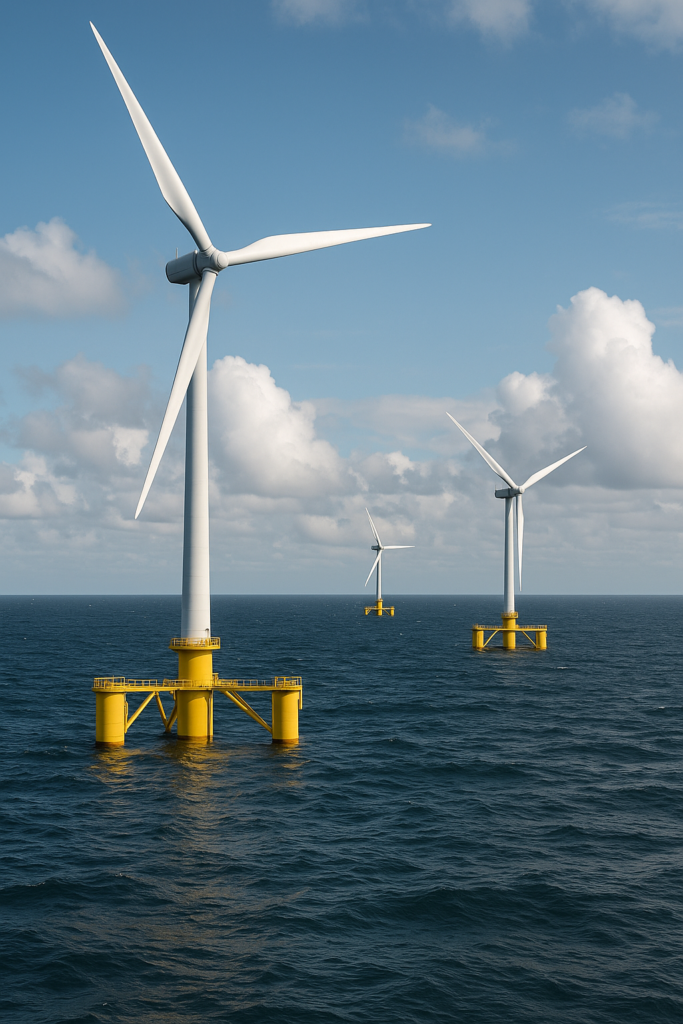
The competitive advantage lies in synergy
Floating wind power opens up new possibilities for generating clean energy at sea. Its development is not advancing in isolation, but in connection with other key sectors. Responsible mining provides critical raw materials for electrification. The shipbuilding industry designs and builds the platforms that make it possible to install turbines in deep waters. Digitalisation allows each process to be optimised and costs to be reduced. At this point, tools and solutions such as those offered by Elecam’s EleStore become a key ally in moving towards more efficient and sustainable management.
The real competitive advantage lies not in mastering just one of these areas, but in understanding how they relate to each other. Companies that know how to leverage these synergies will be better able to innovate, adapt and grow. In a global scenario that demands decarbonisation and efficiency, collaboration will be the driving force that makes the difference.
